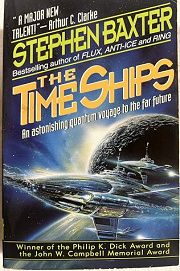
The Time Ships by Stephen Baxter

A bold return to the world first charted by H. G. Wells, where the consequences of time travel ripple into grand, fractal histories. As realities branch and paradoxes deepen, one traveler must navigate cosmic-scale cause and effect to set things right. Sweeping and ingenious, The Time Ships expands a classic into an epic of ideas.

Have you read this book? Share what you liked (or didn’t) and get personalized recommendations.

Start or resume Shelf Talk
Love The Time Ships but unsure what to read next?

These picks are popular with readers who enjoyed this book. Possible spoilers below.

In The Time Ships, did you enjoy the intricate, scientifically-grounded approach to time travel?

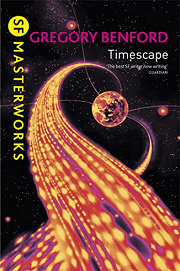
Timescape by Gregory Benford

If you were fascinated by the rigorously detailed temporal mechanics and scientific plausibility in The Time Ships, you'll be enthralled by Timescape. Benford’s narrative masterfully explores causality and the paradoxes of time communication, following physicists in both 1962 and 1998 as they attempt to prevent ecological disaster through tachyon messages. The book’s commitment to hard science and careful extrapolation will scratch that same itch for speculative realism.

In The Time Ships, did you enjoy the vast, epoch-spanning narrative and sweeping historical vision?

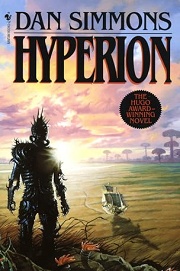
Hyperion by Dan Simmons

Hyperion will captivate you with its immense scope, as it weaves together the stories of seven pilgrims traveling across a war-torn galaxy on the eve of armageddon. Like The Time Ships, the novel spans centuries and civilizations, delving into the far future and the impact of technology on humanity. The shifting timelines and massive historical sweep give a breathtaking sense of scale and consequence.

In The Time Ships, did you enjoy the complex, mind-bending exploration of time travel’s paradoxes?

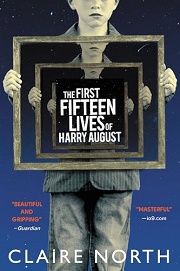
The First Fifteen Lives Of Harry August by Claire North

If you enjoyed how The Time Ships grappled with the implications and paradoxes of time travel, you'll be drawn to The First Fifteen Lives of Harry August. Here, Harry is reborn over and over into the same life, retaining memories and knowledge through each cycle. As he interacts with others like himself, the intricacies and potential dangers of changing the future become a central and riveting concern.

In The Time Ships, did you enjoy the richly detailed, meticulously constructed future worlds?

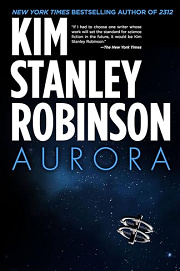
Aurora by Kim Stanley Robinson

If you loved the depth and realism of Baxter’s speculative worlds, Aurora offers a similarly immersive experience. Robinson’s generation ship is brought to life with painstaking detail, from its ecological systems to the psychological toll of interstellar travel. The book’s worldbuilding is so comprehensive that you’ll feel as if you’re living aboard the ship alongside the characters.

In The Time Ships, did you enjoy the intellectually provocative, philosophical questions about existence and reality?

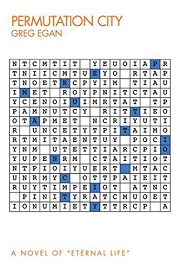
Permutation City by Greg Egan

For readers who appreciated the philosophical underpinnings of The Time Ships, Permutation City offers a mesmerizing plunge into questions of identity, consciousness, and the nature of reality. Egan’s story follows Paul Durham and a group of digital immortals as they challenge the boundaries between simulation and existence, forcing you to reevaluate what it means to be ‘real’.