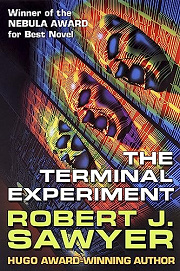
The Terminal Experiment by Robert J. Sawyer

A medical breakthrough splits a man’s consciousness into multiple lives, each diverging to explore what it means to be human — and to be responsible for what you create. As ethics, identity, and invention collide, the experiment threatens to outgrow its boundaries. Sharp and provocative, The Terminal Experiment tests the limits of life, death, and the soul.

Have you read this book? Share what you liked (or didn’t) and get personalized recommendations.

Start or resume Shelf Talk
Love The Terminal Experiment but unsure what to read next?

These picks are popular with readers who enjoyed this book. Possible spoilers below.

In The Terminal Experiment, did you enjoy the interplay of consciousness and technology?

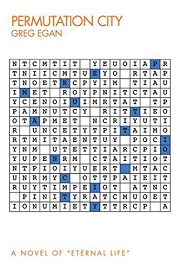
Permutation City by Greg Egan

If you were captivated by the way The Terminal Experiment explores the boundaries between mind and machine through Dr. Hobson’s digital copies, you’ll love Permutation City. Greg Egan pushes the concept even further, as characters grapple with the philosophical implications of selfhood and digital immortality in a world where reality itself can be manipulated by code.

In The Terminal Experiment, did you enjoy deep philosophical questions about consciousness?

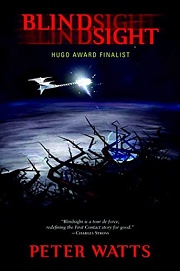
Blindsight by Peter Watts

If the exploration of what it means to be truly alive and self-aware drew you into The Terminal Experiment, Blindsight will challenge you even more. Peter Watts sends a team—including a synthetic human—on a first contact mission, forcing both characters and readers to confront the limits of sentience and the nature of the soul.

In The Terminal Experiment, did you enjoy unexpected narrative twists involving science and identity?

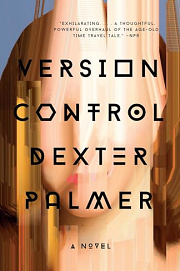
Version Control by Dexter Palmer

Enjoyed the surprising revelations and shifting realities in The Terminal Experiment? Version Control is a brilliant, twisty novel that keeps you guessing as a physicist’s invention subtly alters the world. Like Sawyer’s work, Palmer’s novel weaves personal drama with speculative science, constantly upending expectations.

In The Terminal Experiment, did you enjoy intimate stories of personal transformation through science?

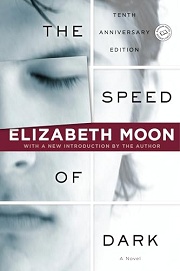
The Speed of Dark by Elizabeth Moon

If the personal stakes and emotional journey of Dr. Hobson’s experiment appealed to you, The Speed of Dark offers a deeply intimate perspective. Moon’s protagonist, Lou, must decide whether to undergo an experimental treatment to ‘cure’ his autism, exploring identity and change with empathy and nuance.

In The Terminal Experiment, did you enjoy standalone, self-contained science fiction with big ideas?

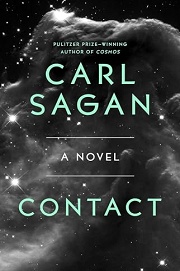
Contact by Carl Sagan

If you valued The Terminal Experiment as a standalone novel that fully explores its science-driven premise, Contact delivers a complete, thought-provoking narrative. Sagan’s book combines rigorous science with human drama as Dr. Ellie Arroway deciphers a message from the stars, raising profound questions about life, faith, and humanity.