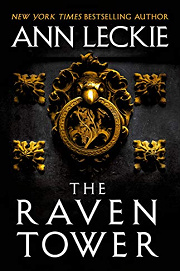
The Raven Tower by Ann Leckie

A god bound by ancient bargains watches over a kingdom on the brink, while a soldier’s oath drags her into a conspiracy older than the stones. Told with bold perspective and mythic sweep, The Raven Tower explores power, devotion, and the stories that define us.

Have you read this book? Share what you liked (or didn’t) and get personalized recommendations.

Start or resume Shelf Talk
Love The Raven Tower but unsure what to read next?

These picks are popular with readers who enjoyed this book. Possible spoilers below.

In The Raven Tower, did you enjoy a fraught succession where divine will and court factions collide?

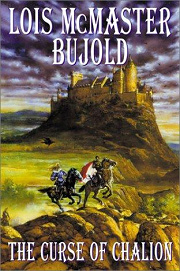
The Curse of Chalion by Lois McMaster Bujold

If the unraveling of Vastai’s coup—Eolo quietly investigating Mawat’s displacement while the Raven’s sacred obligations hang over every decision—hooked you, you’ll love how Cazaril navigates the royals of Chalion while the Quintarian gods press their own designs. Like the Raven’s Lease ritual shaping politics, the gods in The Curse of Chalion impose dangerous, sacred constraints on who rules and how. Watching Cazaril maneuver plots and counterplots to protect Royesse Iselle echoes Eolo’s patient, incisive sleuthing through oaths, rituals, and whispered treasons in The Raven Tower.

In The Raven Tower, did you enjoy gods as characters bound by rules and bargains within a royal succession struggle?

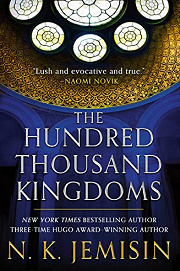
The Hundred Thousand Kingdoms by N. K. Jemisin

You met a god who cannot lie—The Strength and Patience of the Hill—recounting ancient bargains that still ensnare Vastai’s throne. In The Hundred Thousand Kingdoms, Yeine is thrust into a cutthroat inheritance contest while enslaved deities like Nahadoth and Sieh must obey strictures as perilous as the Raven’s own constraints. The same charge of seeing divinity up close—its power, limits, and costs—drives the drama, with courtroom-worthy loopholes and old compacts deciding who lives, who rules, and which godly promise breaks first.

In The Raven Tower, did you enjoy second-person intimacy and braided timelines that reframe the story’s truths?

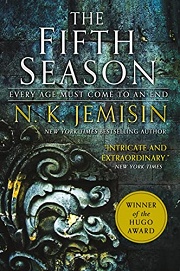
The Fifth Season by N. K. Jemisin

If you loved how the god-narrator addresses Eolo directly—layering ages of history over the present succession crisis until the final revelations click into place—The Fifth Season delivers that same structural thrill. It weaves second-person chapters with intercut timelines whose secrets transform what you think you’re reading, much like how the Hill’s ancient memories recast the Raven’s city and the Lease’s duty. When the strands finally meet, the emotional and intellectual payoff lands as hard as the last turns in Vastai.

In The Raven Tower, did you enjoy a thoughtful examination of what gods are owed by mortals—and what mortals are owed in return?

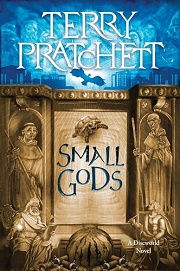
Small Gods by Terry Pratchett

The tension in The Raven Tower between divine truth and mortal obligation—the Raven’s bargains, the Lease’s sacrifice, a god who can’t lie—finds a witty, piercing mirror in Small Gods. Novice Brutha grapples with a deity reduced to a feeble tortoise, and together they confront how belief, power, and ethics entwine. Where Eolo questions what duties a city owes its god (and vice versa), Pratchett turns that question inside out, probing faith, authority, and responsibility with sharp humor and startling compassion.

In The Raven Tower, did you enjoy contract-law theology where oaths, names, and the limits of divine power matter?

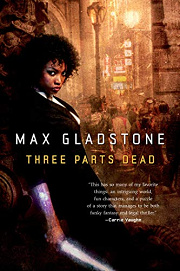
Three Parts Dead by Max Gladstone

If the Raven’s carefully worded promises and the Hill’s inability to lie fascinated you—and if Eolo’s casework through ritual, precedent, and old pacts was your jam—Three Parts Dead is a perfect next step. Tara Abernathy and a Craft firm investigate a dead god and litigate divinity itself, parsing binding contracts and loopholes with stakes as city-shaping as the Raven’s compacts. It’s the same heady blend of sacred semantics, civic stability, and the peril of saying exactly what you mean.