Share your thoughts in a quick Shelf Talk!
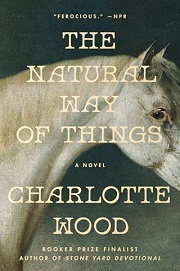
The Natural Way of Things by Charlotte Wood
Ten women wake in a remote facility with one unifying truth: the world has decided they are a problem to be fixed. As punishments mount, defiance simmers. The Natural Way of Things is a stark, riveting fable about complicity, cruelty, and the ferocious will to survive.
Have you read this book? Share what you liked (or didn’t), and we’ll use your answers to recommend your next favorite read!
Love The Natural Way of Things but not sure what to read next?
These picks are popular with readers who enjoyed this book. Complete a quick Shelf Talk to get recommendations made just for you! Warning: possible spoilers for The Natural Way of Things below.
In The Natural Way of Things, did you enjoy ...
... the feminist dystopian imprisonment and systemic misogyny?
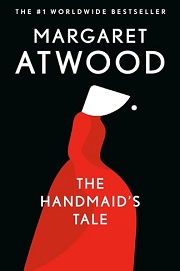
The Handmaid's Tale by Margaret Atwood
If the scenes of Yolanda and Verla marched under watch in that remote compound gripped you, you’ll find Offred’s life in The Handmaid’s Tale chilling in the same way. Both books trap women inside systems designed to punish and erase them—whether it’s the nameless corporate-backed facility or Gilead’s red-clad servitude—and follow their strategies of endurance, small subversions, and hard-earned flashes of solidarity.

... the claustrophobic fight to endure and escape captivity?
Room by Emma Donoghue
You were drawn to the brutal logistics of survival—the chores, the rationing, Yolanda’s hardening into a hunter. In Room, Ma and five-year-old Jack turn a single locked shed into a livable world, building routines and plotting a desperate escape from their captor. That same pulse of fear-and-ingenuity you felt as the women in The Natural Way of Things adapt to confinement runs through every page here.
... women’s minds fraying under isolation in a dangerous, uncanny landscape?
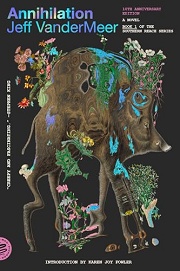
Annihilation by Jeff VanderMeer
If Verla’s shifting interior voice and Yolanda’s feral attunement to the bush stayed with you, Annihilation will too. A small, all-female expedition ventures into Area X, where the biologist narrator’s observations blur into obsession inside a lighthouse and a living "tower." Like the compound’s scrub and fences, the landscape becomes a pressure cooker that distorts memory, identity, and trust—psychologically riveting and eerily beautiful.

... a closed, ritual-bound setting where women are controlled by invented “cures”?
The Water Cure by Sophie Mackintosh
If the tight focus on Yolanda and Verla inside that isolated facility compelled you, The Water Cure offers a similarly sealed world. Three sisters—Grace, Lia, and Sky—live on a secluded shore, subjected to rituals and "therapies" meant to protect them from men. When outsiders arrive, the fragile order unravels, echoing the menace and intimacy of the compound’s daily drills and shifting loyalties.
... animal imagery and bodily transformation as defiance against patriarchy?
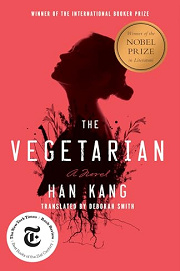
The Vegetarian by Han Kang
If Yolanda’s identification with the wild—her turn toward the rabbits, her instinctive shedding of imposed rules—felt potent, The Vegetarian channels that defiance into stark, allegorical transformation. Yeong-hye’s refusal to eat meat spirals into a bodily revolt against her husband and family, unfolding through unsettling images (the painted-flower body, the hospital garden) that mirror Charlotte Wood’s symbolic, feral energy.
Unlock your personalized book recommendations! Just take a quick Shelf Talk for The Natural Way of Things by Charlotte Wood. It’s only a few questions and takes less than a minute.