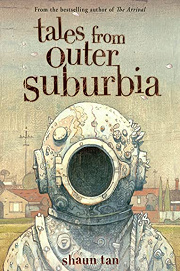
Tales from Outer Suburbia by Shaun Tan

Suburban backstreets hide whales in driveways, broken maps to impossible places, and the quiet wonder of the everyday made strange. In luminous words and art, Tales from Outer Suburbia turns cul-de-sacs into portals and reminds us that magic can live next door.

Have you read this book? Share what you liked (or didn’t) and get personalized recommendations.

Start or resume Shelf Talk
Love Tales from Outer Suburbia but unsure what to read next?

These picks are popular with readers who enjoyed this book. Possible spoilers below.

In Tales from Outer Suburbia, did you enjoy the mosaic of brief, uncanny slices of a place that feel like self-contained myths?

Invisible Cities by Italo Calvino

If the bite-sized tales in Tales from Outer Suburbia—like the leaf-like exchange student in “Eric” or the horn-pointing oracle in “The Water Buffalo”—hooked you, Calvino’s crystalline city-portraits will feel like a perfect echo. Each conversation between Marco Polo and Kublai Khan unfolds like Tan’s vignettes: compact, wondrous scenes that invite you to read between the lines and assemble a bigger map in your mind.

In Tales from Outer Suburbia, did you enjoy off-kilter suburbia where the uncanny bleeds into the everyday?

Magic for Beginners by Kelly Link

You loved how missiles appear on lawns in “Alert but Not Alarmed” and a hidden courtyard blooms behind a cupboard in “No Other Country.” Kelly Link works the same dream-logic seam: in stories like “The Faery Handbag” and “Magic for Beginners,” basements open onto impossible worlds and TV shows fold into real life. It’s that same gasp of strangeness arriving right on your street.

In Tales from Outer Suburbia, did you enjoy quiet magic intruding on ordinary suburban life?

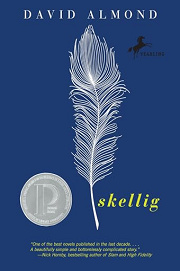
Skellig by David Almond

If the small, luminous miracles of suburbia in Tan’s pieces—like the mysterious visitor in “Eric” or the beached sea-creature presence of “Undertow”—stayed with you, Skellig will, too. Michael discovers a ragged, winged figure in a crumbling garage, and the neighborhood’s sheds, kitchens, and classrooms become charged with the same hushed wonder you felt wandering Tan’s cul-de-sacs.

In Tales from Outer Suburbia, did you enjoy wordless, richly illustrated storytelling that lets images carry emotion and meaning?

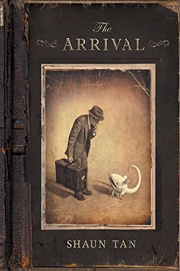
The Arrival by Shaun Tan

If you were drawn to how the collage, stamps, and diagram-like pages in Tales from Outer Suburbia (think “Stick Figures” or the mock-instructional feel of “Make Your Own Pet”) do so much storytelling without spelling everything out, The Arrival is a revelation. The entire narrative unfolds in images—no words at all—yet you’ll feel the same ache and awe you felt stepping into “No Other Country.”

In Tales from Outer Suburbia, did you enjoy gentle fable-like episodes where characters and creatures stand in for deeper truths?

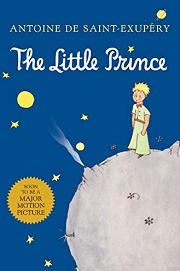
The Little Prince by Antoine de Saint-Exupéry

The way Tan’s buffalo stands at a street corner like a patient signpost, or “Eric” leaves tiny leaf-tokens behind, invites you to read them as symbols. The Little Prince works in the same key: a fox that teaches taming, a rose that carries a world of meaning, and small planets that mirror adult follies. You’ll find that same tender, allegorical resonance you felt in Tan’s suburban myths.