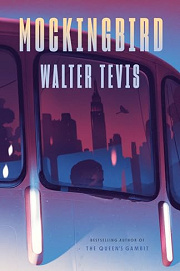
Mockingbird by Walter Tevis

In a future lulled into stupefaction by automation and ease, a man who rediscovers reading—and a weary robot tasked with shepherding humanity—set off quiet tremors that could wake a sleeping world. Spare, haunting, and humane, Mockingbird asks what it means to be truly alive when comfort becomes a cage.

Have you read this book? Share what you liked (or didn’t) and get personalized recommendations.

Start or resume Shelf Talk
Love Mockingbird but unsure what to read next?

These picks are popular with readers who enjoyed this book. Possible spoilers below.

In Mockingbird, did you enjoy the haunting philosophical questions about humanity, consciousness, and what it means to live?

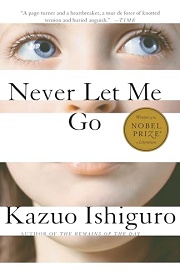
Never Let Me Go by Kazuo Ishiguro

If you were drawn to the existential dilemmas faced by Paul and Spofforth in Mockingbird, you'll find Never Let Me Go equally compelling. Ishiguro's novel immerses you in the lives of students at Hailsham, whose gradual awareness of their fate leads to profound reflections on purpose, love, and mortality. The book’s quiet, contemplative style delves deep into what it means to be human when society has predetermined your role.

In Mockingbird, did you enjoy a richly symbolic and allegorical exploration of society and self?

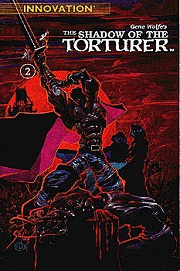
The Shadow of the Torturer by Gene Wolfe

If you appreciated the layers of meaning and symbolism woven through the world of Mockingbird, you’ll be fascinated by Shadow of the Torturer. Wolfe’s narrative follows Severian, an apprentice in a decaying future, grappling with memory, identity, and the nature of reality. Every detail and event is loaded with allegorical significance, inviting you to unravel its mysteries as you read.

In Mockingbird, did you enjoy the chilling vision of a dystopian society that suppresses knowledge and individuality?

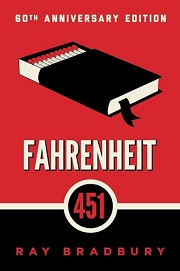
Fahrenheit 451 by Ray Bradbury

If the oppressive, technology-dominated world of Mockingbird resonated with you, Fahrenheit 451 is a must-read. Bradbury's classic follows Montag, a fireman tasked with burning books, as he awakens to the emptiness of his society. Like Mockingbird, the novel critiques conformity, the loss of literacy, and the dangers of a world where human connection is slipping away.

In Mockingbird, did you enjoy the psychological depth of characters wrestling with identity and emotion?

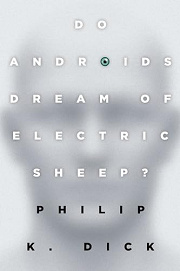
Do Androids Dream of Electric Sheep? by Philip K. Dick

If you were captivated by Paul’s internal battles and Spofforth’s existential crisis in Mockingbird, you’ll find Do Androids Dream of Electric Sheep? equally absorbing. Dick’s protagonist, Rick Deckard, must confront the boundaries between human and machine, questioning his own empathy and desires. The novel explores the inner workings of its characters with nuance and intensity.

In Mockingbird, did you enjoy soft science fiction that explores culture, identity, and human connection over technology?

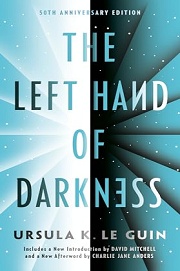
The Left Hand Of Darkness by Ursula K. Le Guin

If you loved how Mockingbird focused less on the mechanics of its future tech and more on the social fabric and relationships, The Left Hand of Darkness will speak to you. Le Guin’s story follows Genly Ai, an envoy to a planet with radically different norms, as he navigates complex politics and forms a deep bond with the native Estravan. The book’s heart lies in its exploration of empathy, gender, and society.