Share your thoughts in a quick Shelf Talk!
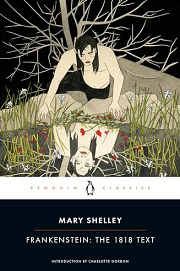
Frankenstein by Mary Shelley
A brilliant young scientist dares to seize the secret of life—and unleashes a creation that will haunt his every step. Part chase, part confession, wholly electrifying, Frankenstein probes the cost of ambition and the ache of being seen as a monster.
Have you read this book? Share what you liked (or didn’t), and we’ll use your answers to recommend your next favorite read!
Love Frankenstein but not sure what to read next?
These picks are popular with readers who enjoyed this book. Complete a quick Shelf Talk to get recommendations made just for you! Warning: possible spoilers for Frankenstein below.
In Frankenstein, did you enjoy ...
... the chilling, letter-and-diary mosaic that makes the horror feel immediate?
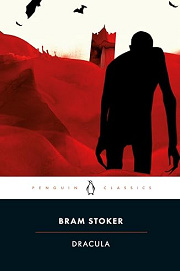
Dracula by Bram Stoker
If the Arctic letters framing Victor’s confession and the Creature’s own eloquent recounting pulled you in, the diary entries, telegrams, and ship logs in Dracula will feel electric. You’ll track the hunt for Count Dracula the way you followed Walton chasing Victor—piece by intimate piece—while the first-hand voices make the dread as palpable as the Creature’s midnight confrontations and Justine’s tragic trial.
... the ethical fallout of playing creator and abandoning responsibility?
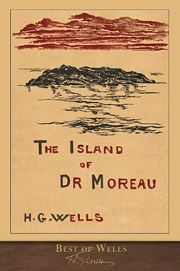
The Island of Doctor Moreau by H. G. Wells
If Victor’s decision to spark life, then recoil from the being he made—and later refuse the promise of a companion—was the moral knot that gripped you, The Island of Doctor Moreau tightens that same knot. Like Victor, Moreau wields invention without compassion, and the consequences, as with the Creature’s vengeance and the final Arctic pursuit, spiral into a chilling reckoning about what creators owe their creations.
... a brilliant but compromised protagonist whose ambition curdles into monstrosity?
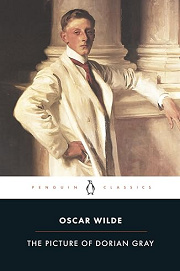
The Picture of Dorian Gray by Oscar Wilde
If you were fascinated by Victor’s brilliance curdling into secrecy, guilt, and ruin—especially after William’s death and the shattering fallout from his promise to the Creature—then The Picture of Dorian Gray offers a kindred descent. Dorian’s choices, like Victor’s, breed horror in the shadows, turning a façade of beauty and genius into something as monstrous as that night in the lab when life first stirred on the table.
... probing duality, guilt, and the monstrous within the self?
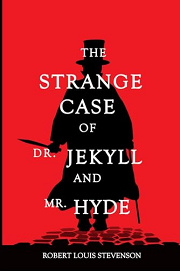
The Strange Case of Dr. Jekyll and Mr. Hyde by Robert Louis Stevenson
If what lingered was the question of what makes a monster—especially after the Creature’s glacier plea and Victor’s tortured self-justifications—Dr Jekyll and Mr Hyde concentrates that inquiry into one tormented man. Its confessions echo Victor’s final admissions to Walton, splitting the human psyche to ask, as Frankenstein does, whether the real horror lives in the creation or the creator.
... layered, story-within-a-story confessions that shift your trust as you read?
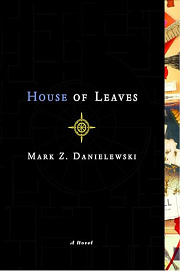
House of Leaves by Mark Z. Danielewski
If the layered voices—Walton’s letters, Victor’s tale, the Creature’s account—made Frankenstein feel like a haunted relay of testimony, House of Leaves turns that nesting into a labyrinth. As you descend through manuscript, commentary, and footnotes, trust keeps slipping, much like hearing the Creature’s story reshape Victor’s—and the deeper you go, the more the house (and the truth) mirrors that final, icy chase into uncertainty.
Unlock your personalized book recommendations! Just take a quick Shelf Talk for Frankenstein by Mary Shelley. It’s only a few questions and takes less than a minute.