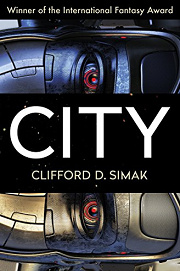
City by Clifford D. Simak

Across ages and empty cities, legends whisper of a vanished humanity and the dogs who tell their tales. Wandering robots, quiet homesteads, and the long shadows of memory weave a gentle, haunting tapestry of what it means to endure. Thoughtful and strange in the best way, City invites you to listen for the echoes of our future.

Have you read this book? Share what you liked (or didn’t) and get personalized recommendations.

Start or resume Shelf Talk
Love City but unsure what to read next?

These picks are popular with readers who enjoyed this book. Possible spoilers below.

In City, did you enjoy the sweeping timeline and epic sense of civilization’s rise and fall?

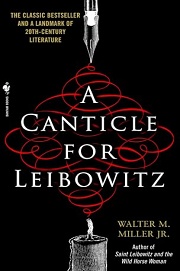
A Canticle for Leibowitz by Walter M. Miller, Jr.

If you were fascinated by the vast sweep of time in City, where stories stretch from humanity’s present into a far-distant, transformed future, you’ll love A Canticle for Leibowitz. This novel traces the cyclical rebirth of civilization after nuclear apocalypse, following monks over centuries as they preserve remnants of lost knowledge. Like Simak’s narrative, Miller’s book uses the passage of ages to reflect on humanity’s legacy and the possibilities of our future.

In City, did you enjoy the exploration of non-human societies and alien perspectives?

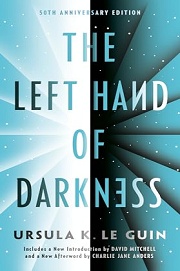
The Left Hand Of Darkness by Ursula K. Le Guin

If you enjoyed the way City invites you to see the world through the eyes of intelligent dogs and robots, The Left Hand of Darkness offers a similarly immersive journey into alien culture. Le Guin’s story places a human among the Gethenians, whose society and biology challenge our understanding of identity and community. The nuanced depiction of these beings will appeal to anyone who loved Simak’s empathetic, thoughtful approach to non-human characters.

In City, did you enjoy the philosophical questioning of humanity’s future and meaning?

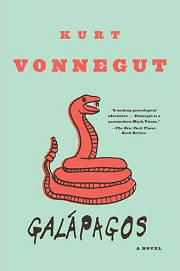
Galápagos by Kurt Vonnegut

If the reflective, philosophical tone of City—with its musings on what it means to be human and the fate of civilization—captivated you, Galápagos is a must-read. Vonnegut’s novel looks at the evolution and eventual transformation of humankind, mixing dark humor with deep questions about progress, purpose, and the quirks of human nature. Both books use speculative futures to probe the big mysteries of existence.

In City, did you enjoy the environmental focus and the relationship between nature and civilization?

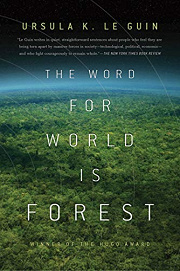
The Word For World Is Forest by Ursula K. Le Guin

If you were drawn to the way City frames the rise of dogs and the fading of humanity as a meditation on nature and coexistence, The Word for World is Forest will resonate with you. Le Guin’s novella explores the destructive impact of colonization on an alien world’s ecology and its native species, raising urgent questions about stewardship, exploitation, and harmony with nature.

In City, did you enjoy the soft science fiction approach that centers mood, psychology, and social change?

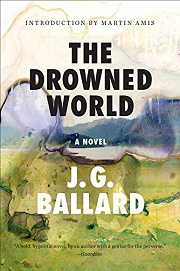
The Drowned World by J. G. Ballard

If you appreciated how City focuses less on technology and more on evolving societies, moods, and the psychological impact of change, The Drowned World is a perfect fit. Ballard’s tale follows humanity’s struggle in a world transformed by climate catastrophe, delving into the shifting identities and dreams of its survivors. Like Simak, Ballard uses science fiction as a lens on inner landscapes and societal metamorphosis.